
Our Flagship Model
What are we working towards?
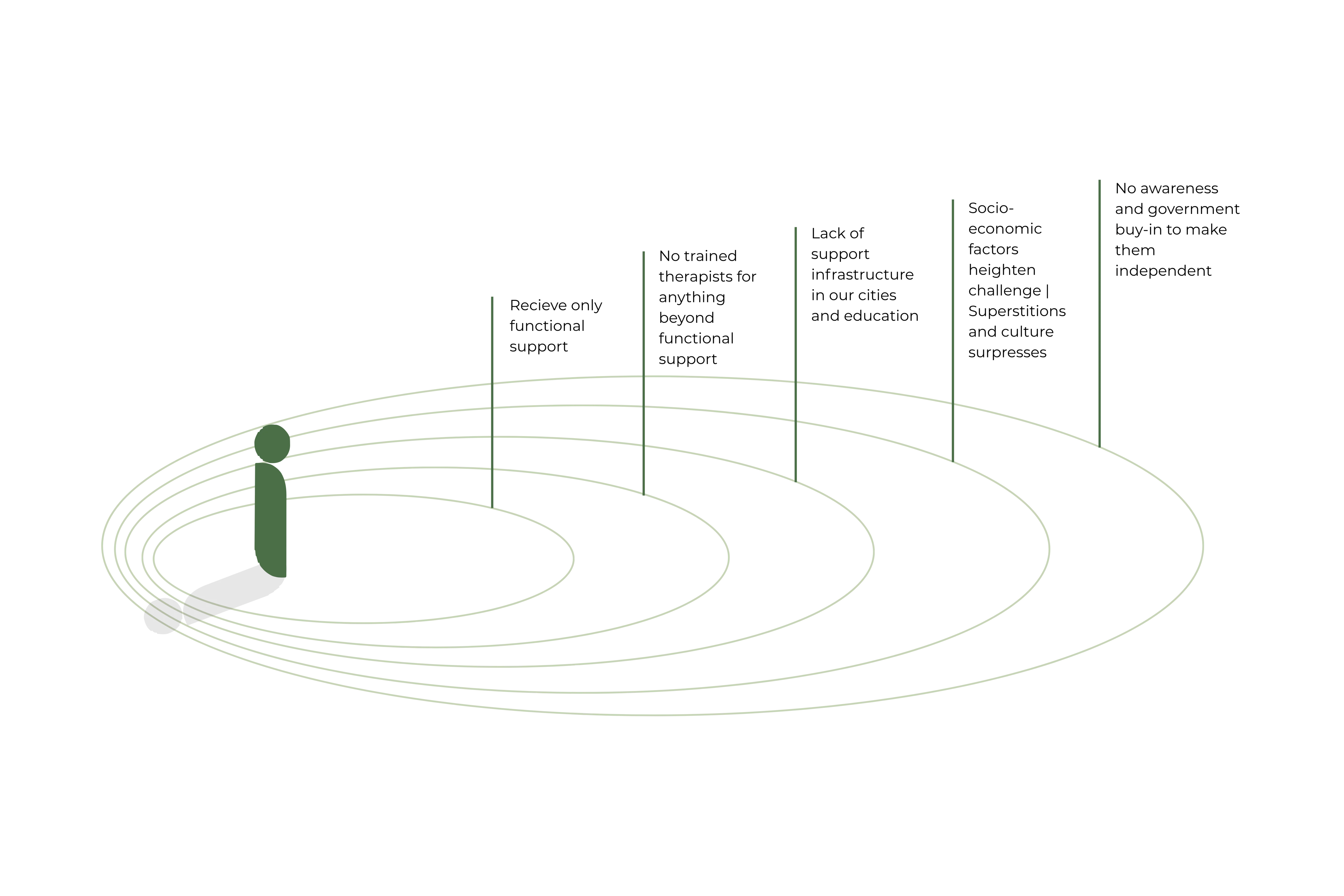
The CARE gap shows the systemic gap that does not allow a person with disability to thrive. We fill this care gap with trained therapists who give therapeutic interventions and life skills training for functional improvement across emotional, cognitive, behavioural, social, motor and activities of daily living (ADL) domains.
The Four Therapeutic Interventions
Animal Assisted Therapy (AAT)
Uses trained therapy dogs to support emotional expression, social interaction, behavioural regulation and motor engagement. Research indicates significant benefits in reducing anxiety, enhancing motivation and improving communication.
Activities include: grooming, feeding, guided interaction, movement-based play and structured behavioural tasks.

Arts Based Therapy (ABT)
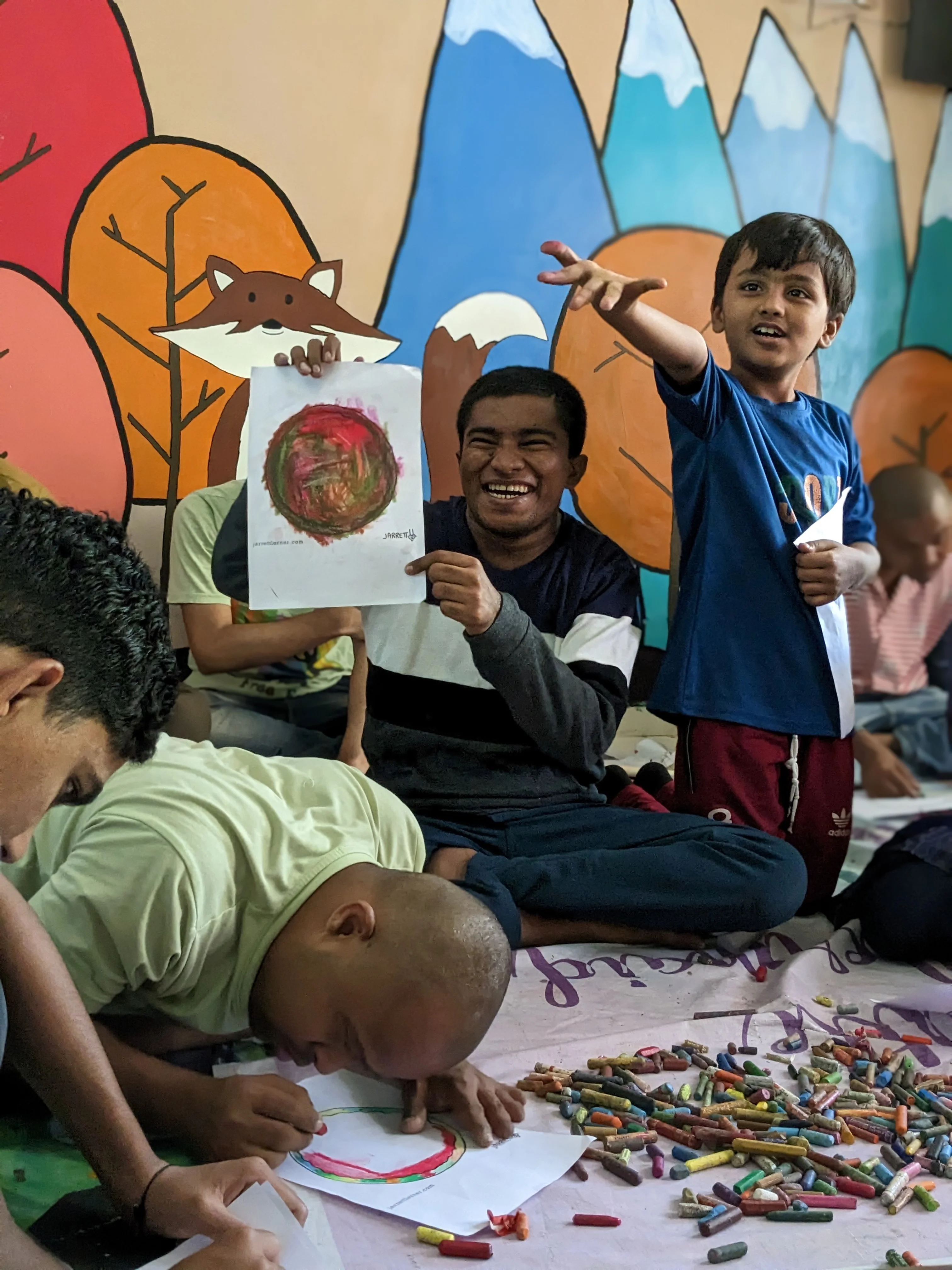
Uses drawing, painting, music, craft, clay work, sensory art and creative expression to strengthen emotional regulation, fine motor skills, imagination and communication.
ABT helps individuals develop self-awareness, patience, attention span and meaningful modes of expression.
Sports & Movement
Essential for physical and emotional development. These interventions boost gross motor functioning, coordination, strength and balance, turn-taking and teamwork, and confidence and resilience.
Sessions may include: obstacle courses, ball games, guided movement, brain gym, yoga-based exercises and structured physical challenges.

Life Skills Training
ESI's Life Skills Training module draws from the World Health Organization's Life Skills Framework and focuses on functional independence, adaptive behaviour, community readiness and emotional well-being.
The module includes: fundamental skills training, soft skills training, and green thumb training (a signature sub-module where beneficiaries learn the basics of gardening, plant care, responsibility routines, and sensory experiences with nature).

Impact Assessment
The ESI program has developed a scientifically-structured, milestone-informed and domain-based impact assessment tool. It is to be conducted for the intervention group and a control group twice a year (pre- and post-intervention).
The tool assesses parameters across the motor, social, cognitive, behavioural, emotional, and activities of daily living (ADL). Each parameter is scored on two dimensions: performance accuracy and level of assistance needed.
Caregiver Support
Caregivers, especially from under-served communities, often lack structured guidance. ESI offers periodic support groups and psycho-educational sessions. These sessions help families heal from shared journeys, understand developmental needs and support functional growth at home.
Nutritious Meals
Many beneficiaries of the Charitable Wing come from families with limited financial resources and inconsistent access to balanced, nutritious meals. Inadequate nutrition affects physical health, energy levels, emotional regulation and participation in therapeutic activities.
To address this need, ESI provides fresh, wholesome and nutritious meals to every beneficiary attending sessions. Each meal typically includes seasonal vegetables, roti, dal, rice and salad. These meals are a vital component of our commitment to dignity, health and long-term well-being.
Expected Outcomes
Through consistent efforts of the Charitable Wing, beneficiaries are expected to demonstrate:
- · Improved attention and engagement
- · Enhanced emotional expression
- · Better behavioural regulation
- · Expanded communication skills
- · Stronger motor and coordination abilities
- · Increased independence in ADL
- · Meaningful social interaction
- · Improved quality of life and community readiness
Knowledge Partners
Support Our CARE Program
Help us provide life-changing therapeutic interventions to under-resourced communities. Your support enables us to continue offering free, comprehensive care to those who need it most.